Design Ideas for Sunrooms: Bringing the Outside In

An intermediate space that changes the way you live at home
A sunroom—or conservatory, conservatory, or solar room—acts as a transition between the indoors and the landscape. Well designed, it is not just a place with many windows: it is a living space capable of expanding the perception of the house, improving the entry of natural light and creating a more flexible relationship with the outside all year round.
Its architectural value lies precisely in this balance. If solved wisely, it can become a reading nook, informal dining room, study, rest area or an extension of the main room. If it is designed without taking into account climate, orientation and thermal comfort, it may end up being a place that is too hot in summer, cold in winter, or uncomfortable due to glare.
Below, we review key ideas and decisions for designing a functional, fun, and long-lasting sunroom.
1. Start with the orientation and climate
Before thinking about furniture or finishes, it is worth analyzing How does the sun behave on the site?. The direction determines a large part of the comfort of the space:
- Facing south: Provides good solar gain in winter, but may require radiation control in summer.
- East orientation: Receives soft light in the morning, ideal for breakfast and early use.
- Western orientation: Provides intense light at dusk, although it usually causes overheating.
- North direction: It gives more uniform and stable lighting, useful for working or reading.
There is no perfect guidance for all situations; The key is to adapt the envelope. This is where AI-powered analysis tools, such as those that integrate architectural design platforms, can add value: they allow you to evaluate sunlight, shadows, and comfort scenarios before construction. This helps make more accurate decisions about hole size, sun protection, and materials.
2. Envelope design: Glass yes, but by intention
The most common sunroom mistake is believing that “more glass” is always better. In fact, performance depends on What type of glass is used, how is it distributed, and what protection comes with the box.
Practical recommendations
- Use solar control glass If the room receives intense direct radiation.
- Integration of double glazing To improve thermal and sound insulation.
- Prioritize carpentry with thermal bridge breakage In harsh climates.
- Combining fixed and practical panels To facilitate cross ventilation.
- Avoid exposed surfaces completely Without any kind of shadow or filtering.
In addition to glazing, it is worth considering transitional elements such as balconies, cornices, lattices or canopies. These features reduce glare and help make the space usable for more seasons.
3. Ventilation: The key to making a sunroom habitable
A space that is too bright is not always a comfortable space. If it is not well ventilated, heat and moisture can build up. Therefore ventilation should be part of the design from the beginning.
Useful strategies
- Cross ventilation: Open vents on opposite or adjacent sides to enhance airflow.
- High and low openings: They allow hot air to rise and exit more easily.
- Folding or sliding elements: Provides flexibility depending on the season.
- Compatibility with mechanical systems: In very hot areas, it may be necessary to supplement them with effective air conditioning.
If the sunroom is connected to the rest of the house, you should also check the behavior of the air between the two areas. Design that does not take into account that reactivity can affect the overall energy efficiency of the building.
4. Materials associated with light
The choice of materials affects beauty and comfort. In a sunroom, finishes must respond to sun exposure, temperature changes, and intended use.
Floors
Flooring must resist expansion, radiation and possible changes in humidity. Some suitable options are:
- PorcelainDurable, easy to maintain, and stable against thermal changes.
- Treated or engineered wood: Provides visual warmth, but requires careful control of sunlight exposure.
- Natural stone: It works well to build thermal inertia, although it is possible to feel cold without proper treatment.
Walls and ceilings
- Clear finishes: They reflect light and visually expand the space.
- Natural texture: Linen, wood, plant fibers or matte plasters soften the intensity of light.
- UV resistant paints: Prevent premature deterioration on exposed surfaces.
The idea is not to turn the sunroom into a “cold” or overly technical space, but to achieve a balance between resistance and atmosphere.
5. Furniture: Fewer pieces, better selection
A sunroom usually works best when the furniture is light, flexible, and resistant. It is not recommended to saturate it; The architecture itself already provides a highlight.
Selection criteria
- Low level parts So that the views are not blocked.
- Ease of moving furniture If usage changes depending on time or season.
- Light resistant upholstery To avoid color change.
- Side tables and secret storage To maintain the visual system.
In many cases, a comfortable chair, small table, built-in bench or built-in sofa is sufficient. The goal is to allow light and scenery to remain the main elements.
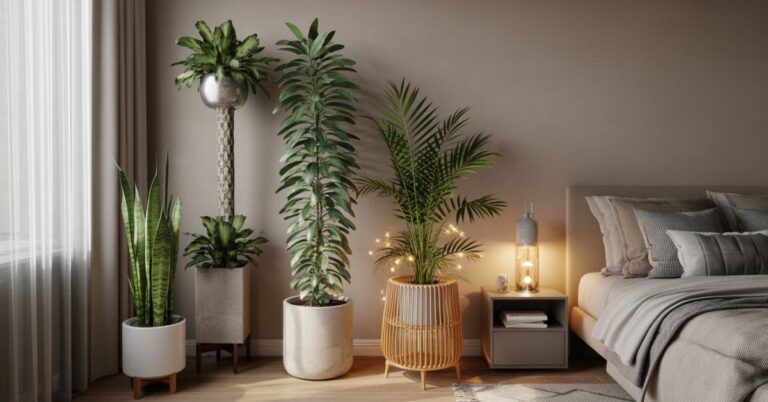
6. Incorporate plants without turning the space into a jungle
The presence of plants reinforces the idea of “bringing the outside in,” but they must be managed wisely. Excess plants can impede circulation, increase humidity, or create a cluttered feeling.
Good practices
- Choose species according to available light.
- Group plants according to watering needs and exposure.
- Use pots with adequate drainage.
- Combine tall, medium and hanging plants sparingly.
Plants work particularly well when placed near visual edges, in corners or next to glass panels, where they frame the landscape without competing with it.
7. Artificial lighting for evening and winter
Although a sunroom relies on natural light, artificial lighting is still important. It’s not about replicating daylight, but about maintaining comfort when the sun goes down.
Recommended lighting layers
- Soft general light: For daily use.
- Spot light: Reading, work, or specific activities.
- Warm ambient light: To enhance the feeling of refuge at night.
Adjustable luminaires are particularly useful, as they allow you to adapt the space to different times of the day. In a highly glassed environment, artificial light must be discreet and well integrated so as not to compete with the prominence of natural light.
8. Think of the sunroom as part of the ensemble
Although a sunroom may seem like a standalone piece, its success depends on how it connects to the rest of the house. It should relate to logical circulation, cohesive scale, and a material palette consistent with the main house.
Some decisions that help:
- Maintain a Visual continuity With inside.
- Repeat certain Finishes or tones So that the transition is natural.
- Definition a Clear threshold Between inside and outside, without losing liquidity.
- Adjust the ratio of space to actual usage.
At this stage, digital visualization is very useful. AI design platforms, such as DecorGPT, can help quickly explore layout variables, materials and openings, making it easier to compare solutions before work is carried out. It does not replace architectural judgment, but it accelerates the exploration of options and improves the decision-making process.
9. Common mistakes to avoid
In conclusion, it is worth noting some common failures:
- Large size glass without thermal control.
- Ignore solar orientation.
- Using very heavy or bulky furniture.
- Not providing adequate ventilation.
- Choose materials that are not resistant to radiation.
- Treat the space as decorative, not habitable.
A well-designed sunroom is not based on a specific aesthetic, but rather on cohesion between climate, light, materiality and use.
A stay to look at the landscape in a different way
Sunroom design is the design of an experience: a way to inhabit light, expand the home, and maintain a more direct relationship with the environment. When artistic decisions accompany spatial intention, the result is not only pleasing to the eye; It is also convenient, effective and versatile.
In this process, the combination of architectural standards and digital tools can make a difference. AI doesn’t replace design sensitivity, but it allows you to explore faster, compare scenarios, and anticipate issues before building. In an open space like a sunroom, this anticipation is especially valuable.