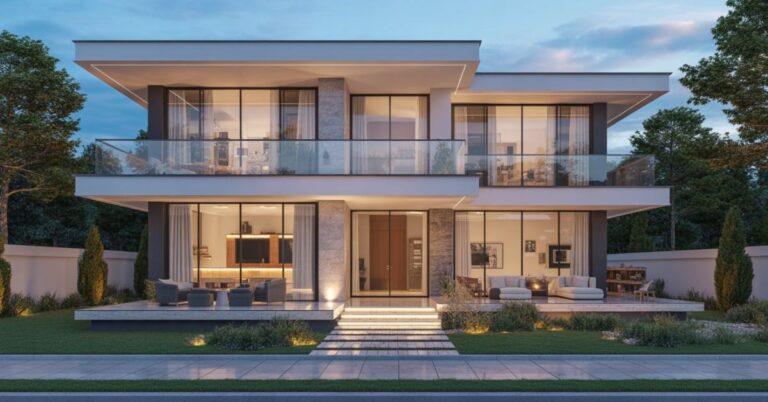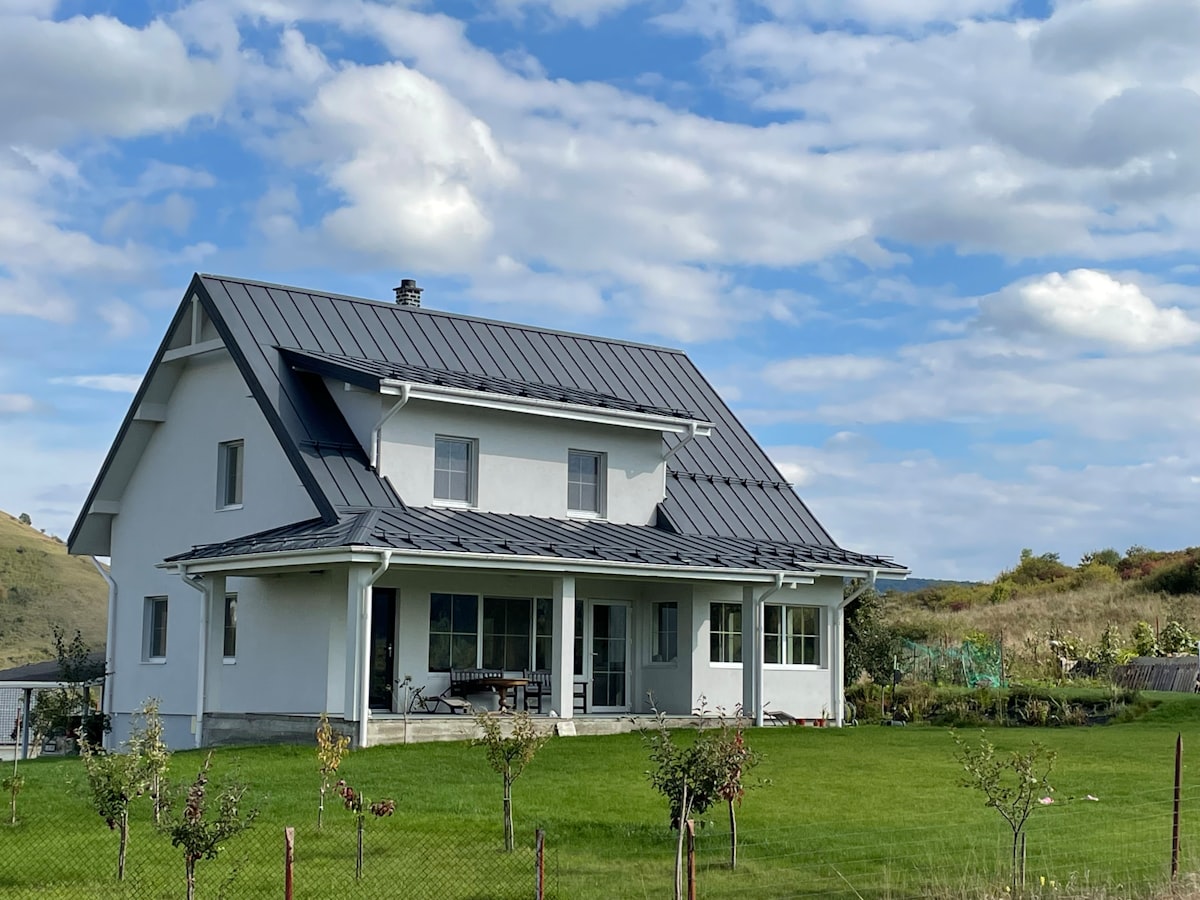
Net Zero Homes: Designing for Zero Energy Bills
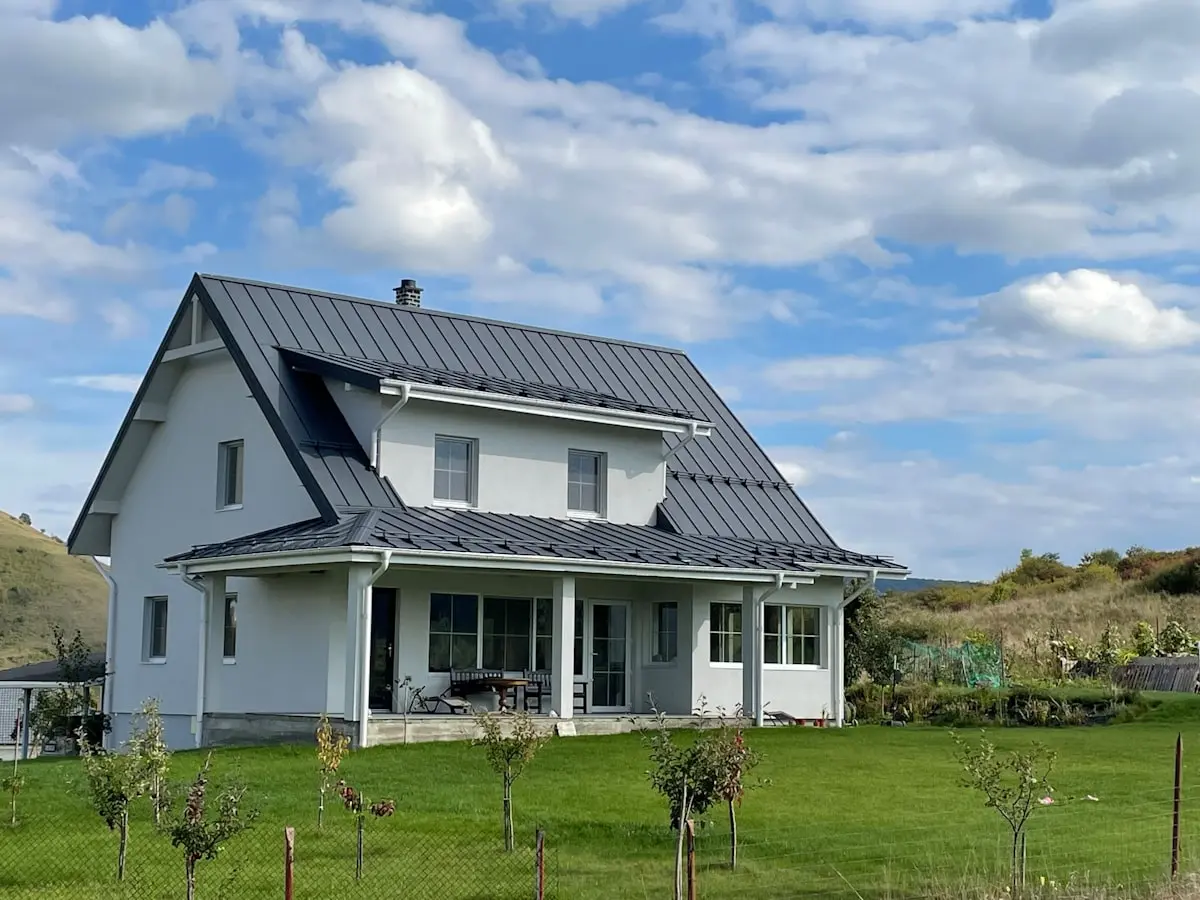
What does a net zero home really mean
house Net zero It produces, throughout the year, an amount of energy equivalent to what it consumes. In practice, this does not mean living “without spending,” but rather it does Reduce demand to a minimum The rest is made up by generating renewable energy, usually photovoltaics. The end goal is clear: get closer to home Very low or even zero energy bills.
It is easy to distinguish three concepts that are often mixed:
- Zero net energy: The house compensates for its annual consumption with renewable production.
- Negative house– Prioritize very low demand through passive design.
- Energy independence: May include storage and partial or complete disconnection from the network.
Not all net zero homes are self-sufficient, and not all net zero homes generate their own energy. In architectural design, the key is to combine the two strategies: Consume less and produce better.
Step 1: Reduce demand before considering panels
One of the most common mistakes in residential projects is to start a PV installation without optimizing the envelope. This often results in bulky systems, unnecessary costs, and mediocre results. In a net zero home, the priority is always the same: Efficiency first, then generation.
Passive strategies that make a difference
1. Orientation and shape of the building
Implementation on a plot of land has a greater impact than it seems. A well-oriented house can make better use of solar radiation in winter and reduce heat loads in summer. Compactness is also important: the smaller the exposed surface per useful square meter, the lower the losses.
2. Continuous thermal insulation
It is not enough to “put more insulation”. Thermal bridges must be avoided, continuity of meetings must be ensured and panels, columns and openings must be carefully reviewed. A poorly resolved coating can damage energy performance even at high thicknesses.
3. High-performance joinery
Glass remains one of the most sensitive points. It is worth checking:
- Thermal transmittance of the assembly
- Solar factor according to direction
- Air permeability
- Quality on-site installation
4. Air tightness
An efficient home should not depend on “no air coming through cracks.” Air tightness reduces uncontrolled intrusions and improves comfort. Naturally, it must be accompanied by well-designed mechanical ventilation.
5. Sun protection and over-temperature control
In hot or mixed climates, the danger is not only limited to cold, but high temperatures in summer can lead to consumption. Overhangs, vents, exterior blinds, vegetation and adequate glazing help control the resulting radiation.
Ventilation: The invisible system that determines comfort
In a net-zero home, ventilation is not an accessory; It’s an essential part of performance. When the enclosure is airtight, indoor air quality depends on a system that replenishes the air without penalizing too much energy.
the Mechanical ventilation with heat recovery It is usually one of the most effective solutions. It allows you to extract old air and introduce new air, while utilizing a significant portion of the thermal energy of the expelled air. This improves comfort, reduces losses and stabilizes the internal temperature.
At the project level, attention should be paid to the following:
- Channel layout and pressure loss
- Equipment location to facilitate maintenance
- Noise levels in bedrooms and rest rooms
- Access to filters and reviews
Design that consumes less electricity, not just less heating
In many homes we talk about thermal efficiency, but total electricity consumption is also important. A net zero home must take into account a household’s actual usage and not just the balance between heating and cooling.
Household loads are often overlooked
- Daily use devices
- Indoor and outdoor lighting
- Communications and entertainment equipment
- Pumps, ventilation and home automation
- Charging the electric car, if possible
Therefore, energy design must start from usage scenarios. A home for a remote working couple is not the same as a family home with variable occupancy. This is where AI-powered analytics tools, e.g decorgptIt can add value from the early stages: it helps to explore alternative orientation, hoarding, gaps or negative strategies and compare their impact on demand and comfort before closing the project.
Renewed Generation: Sizing Wisely
Once demand drops, it’s time to produce energy. The most common solution in housing is photocell on the surfacealthough pergolas, canopies or integration with other well-oriented surfaces can also be considered.
Key aspects of system sizing
- Estimated annual consumption and time profile
- Available radiation Depending on location and shadows
- Tilt and direction From the cover
- Real useful space For units
- Possibility of self-consumption with or without batteries
It is not always appropriate to maximize the installed power. In some cases, it is more profitable to modify the system to suit the consumption profile and prioritize building efficiency. Batteries can be useful, but they are not the first solution in all projects: they add cost, complexity and maintenance.
The role of climate and context
There is no universal recipe for net zero at home. The design must respond to the local climate, regulations, urban or rural environment and user habits. The same strategy can work very well in one area and be ineffective in another.
Some specific variables are:
- Daily heat capacity
- Relative humidity
- Annual hours of sunshine
- prevailing winds
- Urban density and neighborhood shadows
- Availability of a handy cover
This forces you to work with real data from the beginning. Intuitive decisions can serve as a starting point, but not as a basis for calculation. Energy simulation and climate analysis make it possible to avoid oversizing and detect conflicts between comfort, cost and performance.
Architecture and energy should not be done separately
Net zero housing works best when energy is part of the architectural design and not added at the end as a technical layer. Internal distribution, size of openings, relationship with the outside and materiality directly affect demand.
An integrated approach usually includes:
- Thermal zoning according to usage and schedules
- Transitional spaces such as balconies or galleries
- Patios or double orientations to enhance natural ventilation
- Materials with thermal behavior suitable for the climate
- Anti-intrusion in constructive meetings
In other words: a good zero-emission home doesn’t “feel like” a powered machine. It remains a comfortable and habitable home that matches its location.
What can AI contribute to this process?
AI does not replace architectural judgment, but it can accelerate complex decisions. On platforms like DecorGPT, AI can help:
- Comparing implementation and direction variables
- Evaluate the impact of changes in envelope and gaps
- Discover configurations with the best balance between comfort and demand
- Organize technical information to make decisions faster
This is especially useful in the early stages, when small decisions have a disproportionate impact on final performance. The advantage is not in “automating” the project, but in… Explore more options more carefully.
Conclusion: Zero billing starts with good design
Net zero homes cannot be achieved using renewable technology alone. They are built from a broader logic: Less demand, better housing, intelligent ventilation and rate generation for real use. When these elements from the initial project are combined, the result is not just a more efficient home, but a home that is more comfortable, more stable and less dependent on purchased energy.
For architects, developers, and technical teams, the challenge is no longer whether efficiency is important, but how to precisely incorporate it without sacrificing spatial quality. There, the combination of project experience and AI-powered analysis tools can make the difference between good intentions and a home truly prepared for zero energy bills.