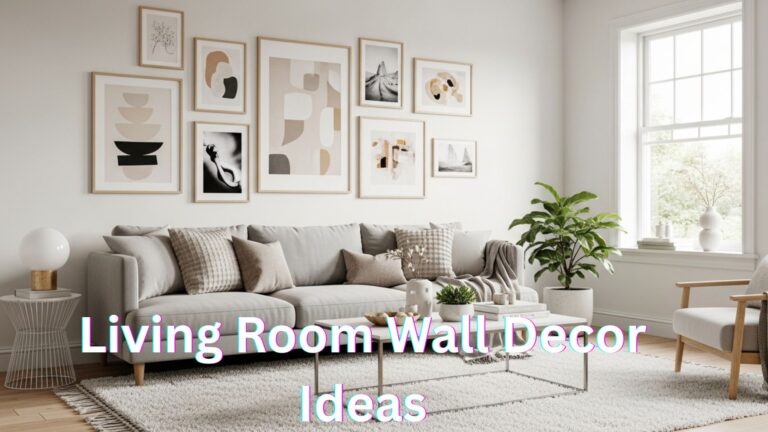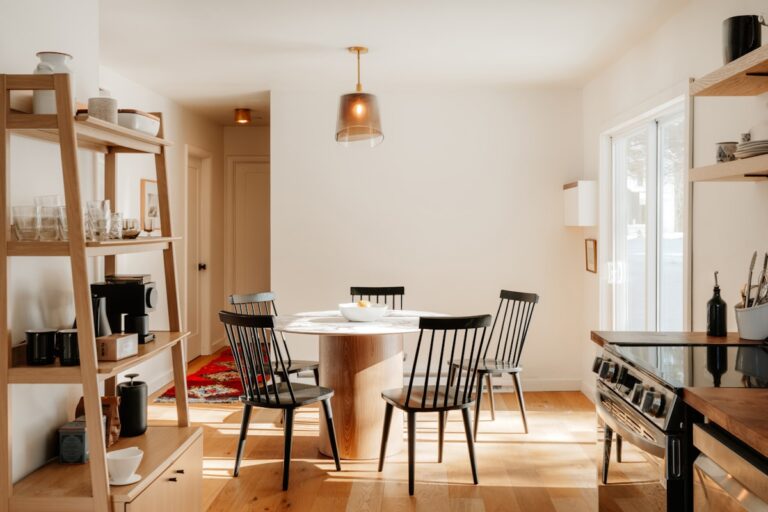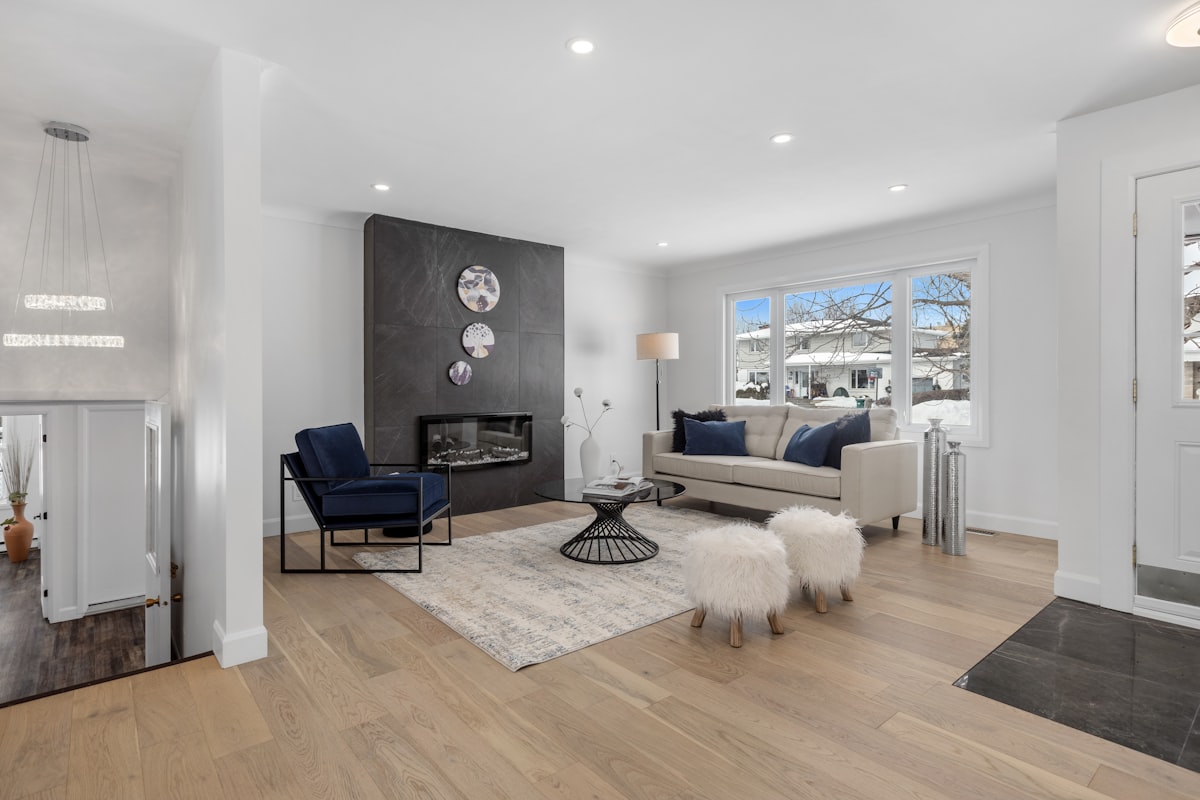
How Virtual Home Staging Helps Homes Sell Faster
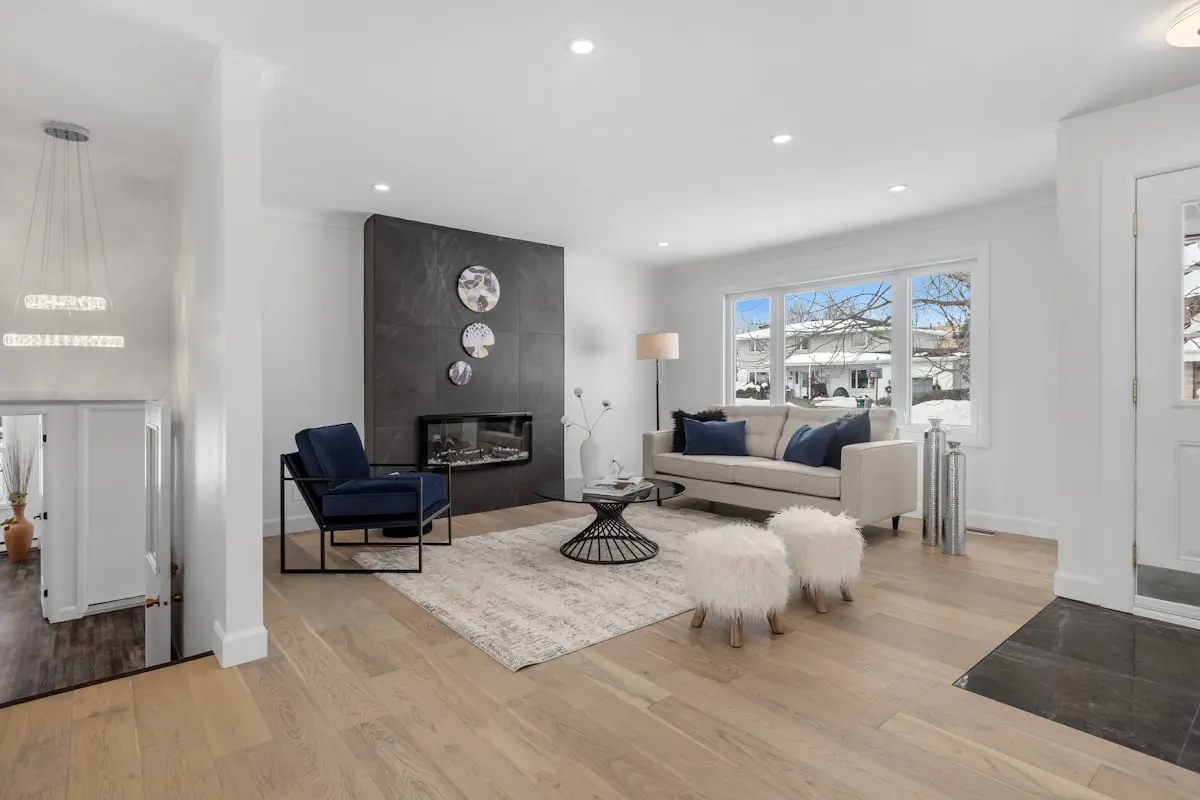
Why is the first impression so important when selling a home?
In the real estate market, initial perception can make the difference between a scheduled visit and an ad that gets ignored. Before a buyer walks in the door, they have already made a decision in part based on photos, layout, and the overall feel of the space. Therefore Virtual home staging It has become an increasingly useful tool for accelerating sales.
Unlike traditional staging, which involves physically decorating the home, virtual staging allows for this Deliver furnished, visually appealing spaces through digitally created or edited images. This is especially important in empty homes, those undergoing renovation or with dated interiors, where there is real potential, but it is difficult to see it.
What exactly is virtual home staging?
Virtual home staging consists of Digitally prepare the property to display it more attractively in photographs, tours or online ads. The goal is not to deceive, but to help the buyer imagine how they could live in that space.
Common applications
- Digitally furnish empty rooms
- Update outdated decorative patterns
- Correct lighting problems in photos
- Show different usage proposals for the same room
- Current variants of finishes, materials or distributions
In the current context, where a large part of the real estate search begins on portals and social networks, these images have enormous weight. If an ad doesn’t convey visual value in seconds, it can easily go unnoticed.
Why it helps to sell faster
Virtual home staging doesn’t magically speed up sales. It does this because it optimizes specific variables that influence the purchasing decision.
1. Increase the attractiveness of advertising
Pictures are the first candidate. The empty space may appear smaller, colder, or less functional than it really is. On the other hand, a well-composed image with proportional furniture and a cohesive palette helps the buyer better perceive the proportions and potential use of each room.
2. Facilitates emotional connection
Buying a home is not just a rational decision; It’s also an emotional response. Seeing a furnished living room, a cozy bedroom, or a functional kitchen helps you imagine everyday life in that space. This emotional connection usually translates into more interest and more visits.
3. Reduce friction in decision making
When a property is vacant or poorly presented, the buyer must make a mental effort to visualize its potential. Default staging reduces this effort. The less fancy work the user has to do, the easier it is for them to move forward with the process.
4. Improve the quality of leads
Visually clear advertising attracts people who are really a good fit for the property. This can reduce unproductive visits and increase the percentage of useful queries. In other words: not only may there be more interest, but there may be Best qualified interest.
In what types of properties does it work best?
Although it can be applied to many properties, there are instances where virtual home staging is particularly effective.
Empty houses
They are the most obvious case. Without furniture, it is difficult to appreciate the scales, methods and possibilities of use. Virtual staging provides immediate context.
Old or old properties
When a home retains its old finishes, a buyer may focus more on what “needs fixing” rather than on its potential. The fresh visual suggestion helps focus attention on the space and not on its flaws.
New construction is in the marketing phase
In off-plan development projects or in the advanced stage of construction, virtual images allow the final result to be shown more clearly, especially if there are no physical samples yet.
Outstanding properties
In passages where beauty and the perception of uniqueness are of great importance, careful presentation can enhance a sense of value and cohesion.
Good practices to make it really work
Virtual home staging is only beneficial when applied wisely. If images appear artificial or do not respect the reality of the home, they can generate mistrust.
Maintaining fidelity to the real space
Images must respect structure, sizes and distribution. The goal is Improve displaydoes not invent a different home.
Choose a style that matches your target audience
Not all properties should be decorated the same. An urban apartment for a young couple does not require the same visual language as a family home or a high-end home. The approach must support the business strategy.
Don’t overdo the spaces
A common mistake is to fill a scene with too many objects. This reduces credibility and can make the space appear smaller. The key is proportion and a sense of spaciousness.
Combine real and virtual images
The most effective is usually a balanced mixture. Real photos provide transparency. Virtual images, context and aspiration. Together they provide a more complete view of the property.
Accompany the photos with clear information
If the photo is actually furnished, this should be indicated on the advertisement sheet. Clarity builds trust and avoids misunderstandings during the visit.
How does artificial intelligence relate to this process?
Artificial intelligence has changed the way spaces are created and presented. Today, AI tools can help Create interior design proposals, test styles, speed up visual edits, and explore distribution alternatives In less time than traditional flows.
Platforms like decorgptwhich aims at AI-assisted architectural design, fits well into this context because it allows ideas to be visualized quickly and coherently. This is useful not only for architects or interior designers, but also for real estate agents, developers and owners who need to communicate the potential of a property without waiting for a complete renovation.
The advantage of these tools is not only speed. They contribute too Visual consistency, repeatability and decision support. For example, you can compare multiple furnishing offers for the same room and choose the one that best fits the buyer profile you want to reach.
What impact could it have on the sales process?
There is no universal number, because every market and every property behaves differently. However, in practice, better visual presentation usually translates to:
- More clicks on ads
- More time spent on file
- More information requests
- More high-quality personal visits
- Shorter exposure time in the market
It is important to understand that virtual home staging does not replace proper pricing, a good business strategy, or correct documentation. But it could be greatly improved The property’s ability to excel Compared to similar options.
When is it appropriate to invest in virtual home staging?
It can be a good decision when:
- The house is empty and its potential is difficult to convey
- The ad receives few visits or calls
- The property has a good location, but poor presentation
- You want to launch a promotion with more attractive images
- You’ll sell faster without the cost of physical staging
On the other hand, if the property is perfectly furnished and photographed, the impact may be less. For this reason it is advisable to evaluate each case with criteria and not to apply the technique automatically.
conclusion
Virtual home staging helps homes sell faster because it improves the way a buyer perceives the space from the first contact. It makes it easier to visualize life at the property, elevates the visual quality of the listing and reduces the distance between an online visit and the decision to schedule a physical visit.
In an environment where image is crucial, combining real estate marketing standards with AI tools can make a significant difference. It’s not about hiding reality, it’s about… Demonstrate the potential of the home in a clear, professional and convincing manner.
For architects, agents and developers, this development opens up a very tangible opportunity: to better communicate the value of a space before a buyer walks through the door.