Small garden, big impact: landscaping ideas using artificial intelligence
When space is limited, design becomes even more important
A small garden doesn’t have to look small. In fact, when every meter counts, design decisions have a much greater impact than on a large plot of land. The key is not to fill up, but to Organizing, balancing, and directing the gaze. This is where AI can add a lot of value: it helps scout groups, spot planning problems, and envision solutions before stirring a single pot.
For outdoor projects, AI-powered design tools like DecorGPT allow you to quickly test ideas, from defining a seating area to choosing materials and plants based on available light. This does not replace human judgment, but it speeds up the decision-making process and reduces costly errors.
1. Start with function, not décor
Before thinking about types, colors or furniture, it is worth answering a basic question: What will you use the garden for?
In small spaces, trying to fit everything in often creates visual clutter. It is best to prioritize one or two main functions:
- Corner for breakfast or reading
- Growing area with herbs and aromatics
- Play area for children or pets
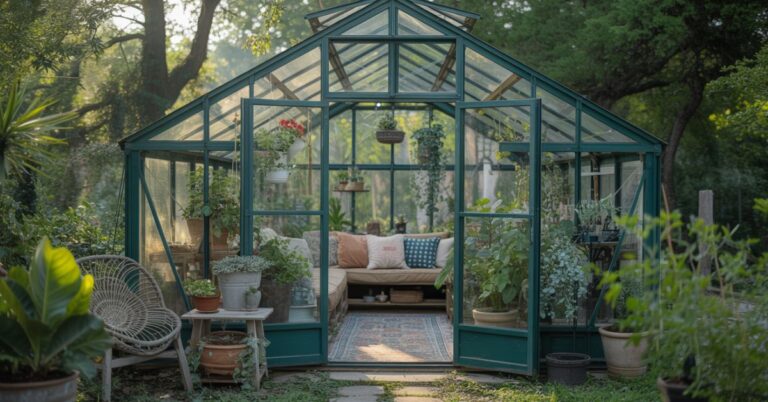
- Shaded rest area
AI can help you compare versions of the same space based on primary usage. For example, you could try a more open design for socializing or a more intimate design for relaxing. This advance exploration avoids making impromptu decisions and makes the garden respond to your real routine.
2. Use visual layers to create a feeling of spaciousness
One of the most common mistakes in small gardens is placing elements without a hierarchy. When everything has the same visual weight, the space is perceived as more cluttered, and therefore smaller.
An effective strategy is to work with Layers:
Low layer
They include ground covers, gravel, borders, small aromatic plants and creepers. This base helps to consolidate complete and smooth transitions.
middle class
Compact shrubs, medium pots, low benches or raised planters come in here. This layer adds volume without blocking the view.
High class
It can consist of climbers, a small arbor, trellises or a vertical structure. Height draws the eye upward and creates a sense of depth.
AI tools are particularly useful for testing ratios between these classes. Sometimes a tree that is too large or a planter that is too wide throws the entire design out of balance. Displaying it in advance allows you to fine-tune metrics.
3. Choose a simple, cohesive color palette
In small gardens, less variety usually means more style. This does not mean giving up visual richness; Control the number of different items.
A good guideline is to limit yourself to:
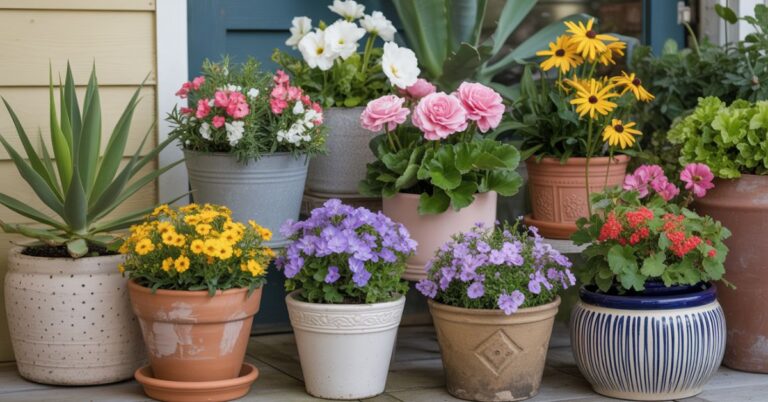
- 2 or 3 main flowering colours
- 1 or 2 dominant tone in furniture and finishes
- A cohesive family of materials, such as light wood, natural stone or black metal
Artificial intelligence can suggest harmonious combinations depending on the style you are looking for: Mediterranean, contemporary, natural or urban. It also helps avoid competing mixtures. In a small garden, a well-defined palette makes everything look more intentional and organized.
4. Think vertically: The floor isn’t the only useful level
When the terrain is small, having a vertical visual surface is one of the best decisions. It’s not about reloading the walls, but about using them wisely.
Some practical ideas:
- Climbers On the walls or grates to soften the borders
- Vertical planters For herbs, strawberries or small ornamental plants
- External shelves For pots of different sizes
- Plant screens Which provides privacy without completely closing the space
Artificial intelligence can help evaluate whether a vertical solution will provide lightness or, conversely, create clutter in the environment. This is particularly useful in narrow courtyards, terraces or gardens, where the risk of “compromising” the space is high.
5. Trading is also design
In small gardens, every step matters. A poorly resolved path can make the space seem cramped or uncomfortable. For this reason it is advisable to think about circulation with the same attention as plants.
Some useful recommendations:
- Keep the methods simple and direct
- Avoid making too many changes to the level if they are not necessary
- Use continuous materials to expand visually
- Leave enough space between furniture and plants
Using AI, you can experiment with different circulation settings to see which one is smoother. Sometimes moving the seat by 40cm or changing the orientation of the table greatly improves the experience.
6. Select plants according to light, maintenance and size
The beauty of a small garden depends a lot on choosing plants well. It is not enough to be beautiful: it must adapt to the climate, the light and the actual maintenance time available.
Three criteria should be evaluated:
a light
- Direct Sun: Lavender, rosemary, sage, hardy herbs
- Semi-shade: ferns, hydrangeas, aspidistra, some begonias
- Shade: hostas, ivy, ribbons, ornamental foliage plants
maintenance
If you do not want to spend a lot of time, choose species with low watering and easy pruning. In small spaces, a plant that grows too quickly can wreak havoc on the entire collection.
size
Having a few species in a good position is better than competing with each other. Artificial intelligence can suggest compact plants or dwarf varieties that best suit the size of the garden.
7. Incorporate storage and functionality without compromising aesthetics
In small gardens, disturbance is immediately noticeable. That’s why storage should be part of the design from the beginning.
Some secret solutions:
- Seats with interior space
- Low stools with hidden drawers
- The outer tanks are the same color as the enclosure
- Planters that also act as room dividers
AI helps visualize these elements as part of the whole, rather than as later additions. This is important because a small garden needs visual continuity. If every element seems improvised, the space becomes fragmented.
8. Lighting: Small investment, big impact
Outdoor lighting can completely change the concept of a compact garden. There is no need for complex composition: well-placed points of light are enough to create depth and highlight textures.
Setting priorities:
- Warm light for rest areas
- Low lighting of paths or edges
- Soft spotlights to highlight a key plant or decorative wall
Using AI, you can practice on night scenes and see if the light enhances the feeling of spaciousness or creates unnecessary shadows. In small gardens, thoughtful lighting prevents the space from disappearing after dark.
9. How AI helps in making better decisions
The value of AI in landscaping is not just about producing beautiful images. Its true usefulness appears when used as an analysis and testing tool.
For example, DecorGPT can be useful for:
- Explore multiple layouts of the same park
- Compare styles without manually re-planning
- Adjust the proportions between plants, furniture and flooring
- Test panels for materials before purchasing
- Display the result in different lighting conditions
This allows us to move from vague ideas to concrete decisions. In a small garden, where every choice has an impact, this clarity is especially valuable.
Bottom line: fewer metres, more intention
A small garden can become one of the most enjoyable spaces in the home if designed with intention. The key is to prioritize positions, simplify the board, work at heights and take care of your circulation. It’s not about adding more stuff, it’s about choosing what’s best.
Artificial intelligence offers a clear advantage in this process: it allows you to experiment without risk, compare alternatives and visualize the outcome before implementing. On platforms like DecorGPT, this translates into a more flexible and nuanced way of thinking about the outdoors, especially when space is limited.
In the end, a good small garden doesn’t try to look big. Makes every angle count.